

Understanding the Medline HCG Pregnancy Test
Medline offers versatile hCG tests, combining urine and serum options with sensitivities of 20/10 mIU/mL, facilitating both early detection and clinical confirmation of pregnancy.
What is the Medline HCG Pregnancy Test?
The Medline HCG Pregnancy Test is a diagnostic tool designed to detect the presence of human chorionic gonadotropin (hCG), a hormone produced during pregnancy. Available in various formats – including urine cassettes and serum tests – Medline provides options for both at-home use and professional clinical settings.
These tests boast varying sensitivity levels, commonly 20 mIU/mL for urine and 10 mIU/mL for serum, enabling early pregnancy detection. The Medline tests are utilized not only for confirming pregnancy but also for presurgical screening, ensuring accurate results to avoid complications. Rapid results, typically within 3-5 minutes, contribute to efficient testing procedures.
Medline’s combo tests offer the convenience of analyzing both urine and serum samples, enhancing diagnostic accuracy and providing healthcare professionals with comprehensive data.
Types of Medline HCG Tests Available
Medline offers a diverse range of hCG pregnancy tests to suit various needs. These include the Medline Premium hCG Pregnancy Test Cassettes, available in boxes of 25, designed for both urine and serum testing. There are also Medline HCG Combo Cassette options, providing flexibility in sample analysis.
Furthermore, Medline manufactures hCG Pregnancy Test Strips for visual, prescription-use applications. These tests differ in sensitivity, with common levels being 20 mIU/mL for urine and 10 mIU/mL for serum, allowing for early detection. The product line caters to clinical laboratories and point-of-care testing environments.
Each format is designed for rapid results, typically within minutes, and contributes to efficient diagnostic workflows.

How the Medline HCG Test Works
Medline’s hCG tests detect the presence of human chorionic gonadotropin, a hormone produced during pregnancy, in either urine or serum samples.
HCG Hormone and Pregnancy
Human Chorionic Gonadotropin (hCG) is a hormone produced by the placenta shortly after implantation of a fertilized egg. Its primary role is to support the early stages of pregnancy, signaling the corpus luteum to continue producing progesterone, which is crucial for maintaining the uterine lining.
Medline hCG tests are designed to detect this hormone, offering a reliable indication of pregnancy. The hormone is present in both urine and blood (serum), allowing for testing via both methods. Levels typically rise rapidly in early pregnancy, making it detectable by these tests.
Understanding hCG’s function is vital for interpreting test results and following up with a healthcare provider for confirmation and prenatal care. Accurate detection aids in early pregnancy management.
Sensitivity Levels: 20 mIU/mL vs. 10 mIU/mL
Medline hCG tests come in varying sensitivity levels, commonly 20 mIU/mL for urine and 10 mIU/mL for serum. Sensitivity refers to the lowest detectable concentration of hCG. A 10 mIU/mL serum test can detect pregnancy slightly earlier than a 20 mIU/mL urine test.
Lower mIU/mL values indicate higher sensitivity, meaning the test can identify even small amounts of hCG. This is particularly useful for early detection or when testing is performed shortly after a missed period.
Choosing the appropriate sensitivity depends on testing needs and timing. For presurgical testing, higher sensitivity is often preferred to minimize false negatives.

Medline HCG Test Instructions: Urine Testing
Urine testing with Medline hCG tests provides a convenient method for pregnancy detection, offering rapid results in just three minutes from sample application.
When to Take a Urine Test
Timing is crucial for accurate Medline hCG urine test results. Ideally, test using your first morning urine, as it contains the highest concentration of hCG hormone. If testing later in the day, minimize fluid intake beforehand to concentrate the urine.
You can test as early as the first day of a missed period, though sensitivity levels (20 mIU/mL or 10 mIU/mL) impact detection timing. For presurgical testing, if a negative result occurs while pregnancy is still suspected, repeat the test with a first morning sample 48 hours later.
Remember, early testing may yield false negatives due to low hCG levels. Consistent timing and following test instructions are vital for reliable outcomes.
Collecting the Urine Sample
Proper urine sample collection is essential for accurate Medline hCG test results. Use a clean, dry container – do not use any container that has previously held other liquids. For the most reliable outcome, collect your first morning urine, as it has the highest hCG concentration.
If using a mid-stream sample, begin urinating into the toilet, then collect the middle portion of the urine stream into the container. Avoid touching the container’s inside to prevent contamination.
Immediately proceed with the test after collection, following the step-by-step guide provided with your Medline hCG test kit. Do not delay testing, as hCG levels can change.
Performing the Urine Test: Step-by-Step Guide
Begin by carefully reading the Medline hCG test instructions. Remove the test cassette from its sealed pouch. Using the provided dropper, collect the specified amount of urine and dispense it into the sample well on the test device. Ensure not to overfill or underfill the well.
Start the timer immediately after adding the urine. Wait the designated time – typically three minutes – for the results to appear. Observe the test window for the presence of lines. A control line must always appear to validate the test.
Interpret the results according to the instructions; a second line indicates a positive result.

Medline HCG Test Instructions: Serum Testing
Serum testing, performed by healthcare professionals, utilizes blood samples and offers high accuracy, detecting hCG levels as low as 10 mIU/mL for confirmation.
When to Perform Serum Testing
Serum hCG testing is typically conducted by a healthcare professional when a more precise and quantitative measurement of hCG levels is required. This is particularly crucial in situations where early pregnancy complications are suspected, such as ectopic pregnancy or miscarriage.
Presurgical testing routinely involves serum hCG analysis to rule out pregnancy before procedures like gallbladder surgery, as indicated in MAUDE reports. If a urine test yields a negative result but pregnancy is still suspected, repeating the test with a first morning serum sample 48 hours later is recommended.
Healthcare providers also utilize serum testing to monitor hCG levels during and after treatment for ectopic pregnancy or after a miscarriage to ensure complete resolution. Accurate timing and professional interpretation are vital for reliable results.
Serum Sample Collection by a Healthcare Professional
Serum hCG testing necessitates a blood draw performed by a qualified healthcare professional. This ensures proper technique and minimizes the risk of contamination, crucial for accurate results. Typically, a venous blood sample is collected into a sterile tube, allowed to clot, and then centrifuged to separate the serum from the blood cells.
The collected serum is carefully transferred to a labeled container and stored appropriately until analysis. Medline’s combo tests utilize serum with a sensitivity of 10 mIU/mL, demanding precise handling.
Healthcare providers adhere to strict protocols for sample collection, storage, and transportation to maintain sample integrity and ensure reliable hCG quantification, especially vital in presurgical contexts as highlighted in MAUDE reports.
Performing the Serum Test: Step-by-Step Guide
Serum testing, utilizing Medline’s combo cassette, begins with ensuring all materials are at room temperature. Add precisely the specified volume of serum to the sample well, avoiding air bubbles. Initiate the timer immediately after sample addition – results are typically available within five minutes.
Observe for color development; a control line must appear to validate the test. A visible test line, even faint, indicates a positive result, signifying the presence of hCG.
Carefully interpret results, remembering that MAUDE reports emphasize the need for physician confirmation, especially in presurgical scenarios. Document the result and discard the test according to biohazard protocols.
Interpreting Your Medline HCG Test Results
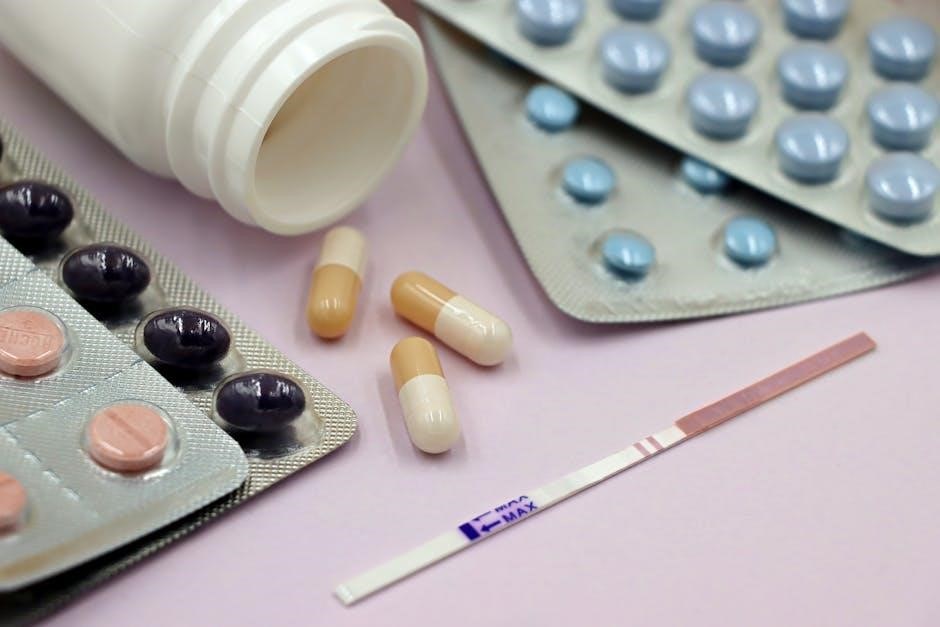
Positive results show lines, indicating hCG presence; negative tests lack a test line. Faint lines require retesting 48 hours later, per MAUDE guidelines.
Understanding Positive Results
A positive result on a Medline HCG test, whether utilizing a urine or serum sample, signifies the detection of the human chorionic gonadotropin (hCG) hormone. This hormone is produced during pregnancy, making a positive result a strong indicator of potential gestation. The presence of a visible test line, even a faint one, alongside the control line confirms this detection.
However, it’s crucial to remember that positive results can also occur due to other factors, as highlighted in MAUDE reports. These include certain medical conditions or, rarely, as a result of prior pregnancy complications. Therefore, while a positive result is suggestive of pregnancy, definitive confirmation should always be made by a healthcare professional through clinical evaluation and further laboratory testing. Following up with a physician is essential for accurate diagnosis and appropriate care.
Understanding Negative Results
A negative result on a Medline HCG test indicates that hCG hormone was not detected, or was present at levels below the test’s sensitivity threshold (20 mIU/mL for urine, 10 mIU/mL for serum). This typically suggests that you are not currently pregnant. However, negative results aren’t always definitive, particularly when testing early in a potential pregnancy.
MAUDE reports emphasize the possibility of false negatives, especially with initial testing. If pregnancy is still suspected, repeating the test 48 hours later with a first morning urine sample is recommended. Factors like diluted urine or testing too soon after conception can influence results. Consulting a healthcare provider is vital for accurate interpretation and further evaluation if symptoms persist despite a negative test.
Faint Line Interpretation
A faint line on a Medline HCG test, even if visible, requires careful consideration. While generally indicating a positive result, a faint line suggests a low concentration of hCG hormone. This is common in early pregnancy, when hCG levels are still rising. It’s crucial to understand that any visible line, however faint, is typically considered a positive result by the test manufacturer.
However, MAUDE reports highlight potential for false negatives. Retesting with a first morning urine sample 48 hours later is strongly advised to confirm the result and assess hCG level changes. Consulting a healthcare professional is essential for accurate interpretation and to rule out any potential issues, as faint lines can sometimes be influenced by testing conditions or individual variations.
Potential for False Results
Medline HCG tests, while reliable, can yield false positives or negatives, particularly with early testing or presurgical use, necessitating confirmatory testing and medical evaluation.
False Negative Results and Early Testing
False negative results with the Medline HCG test are most common when testing too early in a pregnancy. HCG levels rise gradually, and a test with 20 mIU/mL sensitivity might not detect very low levels present in the initial days after conception.
If a negative result is obtained but pregnancy is still suspected, it’s strongly advised to repeat the test 48 hours later, ideally using a first morning urine specimen, as this contains the highest concentration of HCG. Presurgical testing requires careful consideration; a single negative result doesn’t always rule out pregnancy, and repeat testing is crucial to avoid complications.
Remember, individual HCG production varies, and factors like dilution of urine can also influence test accuracy.
False Positive Results: Rare Causes
False positive results with the Medline HCG test are uncommon, but can occur due to several rare factors. Certain medical conditions, such as ovarian cysts or ectopic pregnancies, can produce HCG, leading to a positive test even without a viable intrauterine pregnancy.
Additionally, some medications, particularly those containing HCG, can interfere with test accuracy. Very rarely, certain cancers can also elevate HCG levels. A physician’s evaluation is essential to determine the cause of a positive result, especially in presurgical settings.
Product issues, though infrequent, have been reported, emphasizing the importance of checking expiration dates and proper storage.
Important Considerations & Precautions
Presurgical HCG testing requires confirmation with a follow-up test 48 hours later if initially negative, ensuring accurate results before procedures.
Presurgical Testing and HCG
Medline HCG tests are frequently utilized in presurgical settings to rule out pregnancy, preventing potential risks to a developing fetus. However, it’s crucial to understand the possibility of false negatives, particularly with early testing or diluted urine samples.
If a Medline HCG test yields a negative result during presurgical screening, but pregnancy is still suspected clinically, healthcare professionals should repeat the test. Specifically, a first morning urine or serum specimen should be collected and retested 48 hours later to enhance accuracy.
This follow-up testing protocol minimizes the risk of proceeding with surgery unknowingly during pregnancy, safeguarding both the patient and potential fetus. Accurate HCG assessment is paramount for responsible patient care.
Following Up with a Healthcare Provider
Regardless of the Medline HCG test result, consulting a healthcare provider is essential for confirmation and appropriate guidance. A positive result necessitates prenatal care initiation, while a negative result requires evaluation if pregnancy is still suspected or if menstrual cycles are irregular.
Even with a clear positive or negative result, a physician must evaluate all clinical and laboratory findings to make a definitive pregnancy diagnosis. Self-treating or making critical decisions solely based on a home test is strongly discouraged.
Prompt medical follow-up ensures accurate assessment, addresses any concerns, and facilitates informed decisions regarding reproductive health and overall well-being. Professional guidance is key for optimal care.
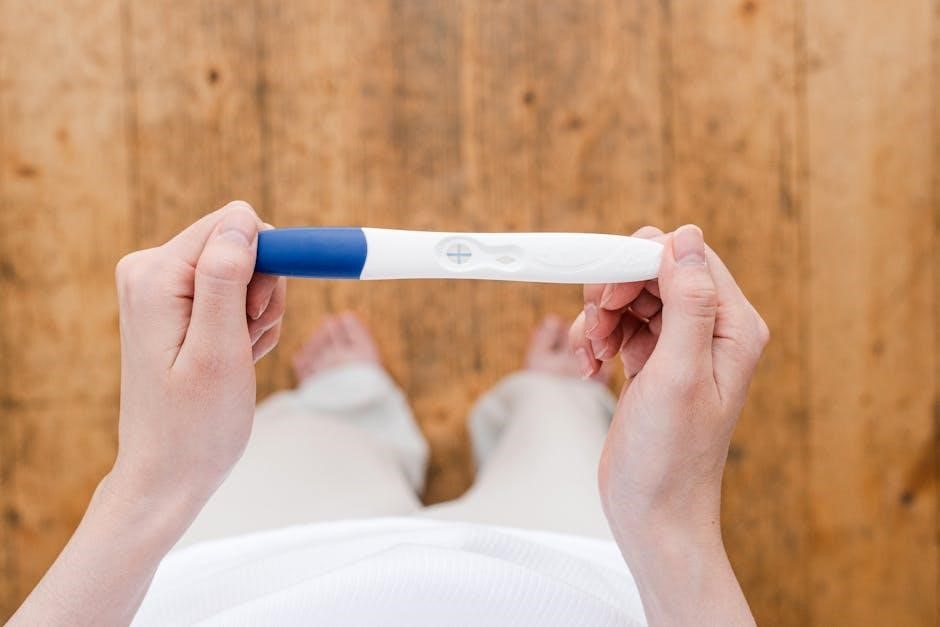
Medline HCG Test: Product Information
Medline hCG tests are available in cassette and strip formats, typically containing 25 tests per box, and require proper storage for optimal performance.
Package Contents and Storage
Each Medline hCG test package, such as the MPH22025HCG, generally contains 25 individual test cassettes or strips, alongside a detailed package insert providing comprehensive instructions for use. It’s crucial to verify all components are present before proceeding.
Proper storage is paramount for maintaining test accuracy. These tests should be stored at room temperature, ideally between 4°C to 30°C (39°F to 86°F), and protected from excessive humidity and direct sunlight. Avoid storing the tests in bathrooms or areas prone to temperature fluctuations.
The packaging should remain sealed until the test is ready to be used, ensuring the integrity of the reagents. Discard any test that has been exposed to moisture or has passed its expiration date.
Shelf Life and Expiration Dates
Medline hCG pregnancy tests possess a defined shelf life, typically indicated on the packaging. It’s essential to meticulously check the expiration date printed on both the outer box and individual test pouches before use. Utilizing an expired test can yield inaccurate results, potentially leading to misdiagnosis.
Generally, these tests maintain their stability for 12 to 24 months from the date of manufacture, provided they are stored correctly – at room temperature and shielded from humidity and direct sunlight.
Do not use a test if the expiration date has passed, even if the packaging appears undamaged. Discard expired tests responsibly and obtain a new, valid kit for accurate pregnancy detection.

Adverse Event Reporting & Product Issues
MAUDE reports detail issues like false negatives with Medline hCG tests; report problems to Medline and the FDA for investigation and improvement.
MAUDE Reports and Medline HCG Tests
MAUDE (Medical Device Reporting) database records reveal instances of adverse events associated with Medline hCG pregnancy tests. Reports highlight occurrences of false negative results, particularly during presurgical screenings, necessitating repeat testing with a subsequent sample collected 48 hours later when pregnancy is still suspected.
These reports emphasize the importance of clinical judgment and confirmation by a physician, considering all laboratory and clinical findings. One case involved a patient undergoing gallbladder surgery where initial Medline hCG combo tests yielded negative results, but the patient’s condition warranted further investigation. Product discard by customers has also been noted within these reports, indicating potential usability concerns.
The FDA utilizes MAUDE data to monitor device performance and identify potential safety issues, ensuring patient well-being.
Reporting Problems with the Test
If you encounter issues with a Medline hCG pregnancy test, reporting the problem is crucial for maintaining product safety and quality. Adverse events, including inaccurate results or device malfunctions, should be reported to the FDA’s MAUDE database. This reporting system helps identify potential risks associated with medical devices.
Manufacturers like Alere San Diego, Inc., the producer of Medline tests, also encourage direct reporting of concerns. Documentation of the issue, including the lot number and date of testing, is essential. Retain the test kit if requested for further investigation.
Prompt reporting contributes to improved device oversight and ensures the reliability of hCG testing for all users.