Tie Dye Wash Instructions: A Comprehensive Guide
Navigating the vibrant world of tie-dye requires mindful washing! This guide offers printable instructions, ensuring your colorful creations remain brilliant, preventing unwanted color mixing during laundry routines.
Understanding Tie Dye & Color Bleeding
Tie-dye’s captivating patterns stem from dye molecules bonding with fabric fibers, but this bond isn’t always permanent. During the initial washes, excess dye – the unbonded portion – will inevitably release into the water, causing what’s known as color bleeding. This is perfectly normal, especially with reactive dyes commonly used in tie-dye projects.
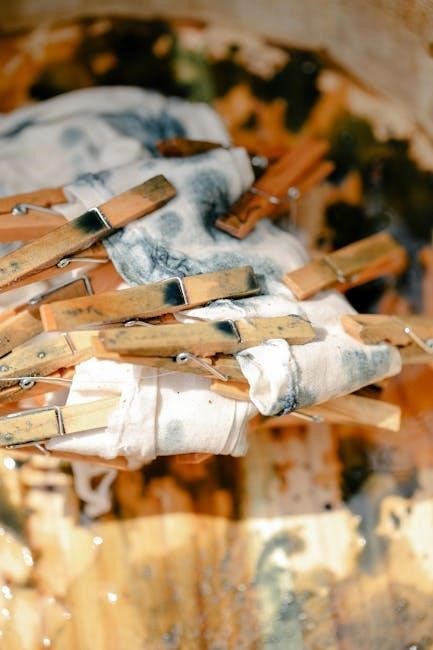
The extent of bleeding depends on several factors: the type of dye used, the fabric composition (cotton bleeds more than synthetics), and the dye saturation level. Understanding this process is crucial because it dictates the precautions you must take during the first few washes to prevent your vibrant colors from muddying or staining other garments.
Essentially, you’re aiming to remove this excess dye gradually, minimizing its impact on your washing machine and other clothes. Ignoring this initial bleeding phase can lead to disappointing results – faded designs and a washing machine potentially tinted with rogue colors. Therefore, a dedicated washing strategy is paramount for preserving the integrity and brilliance of your tie-dye masterpieces.
Why Separate Washing is Crucial
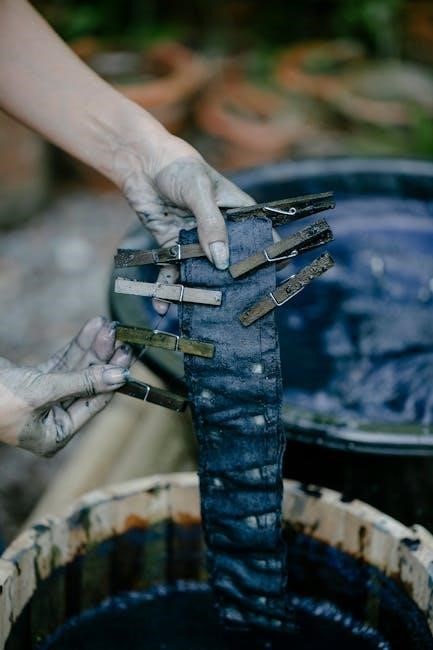
The cornerstone of preserving your tie-dye’s vibrancy lies in consistently washing it separately, particularly during the initial stages. Combining tie-dye with other clothes risks significant color transfer, potentially ruining lighter-colored items. Even seemingly colorfast garments can absorb stray dye molecules, resulting in unwanted tints and a compromised wash load.
This separation isn’t merely a precaution; it’s a necessity. Reactive dyes, while brilliant, are notorious for their tendency to bleed. Washing with similar colors eventually becomes possible, but only after several washes have removed the majority of the excess dye.
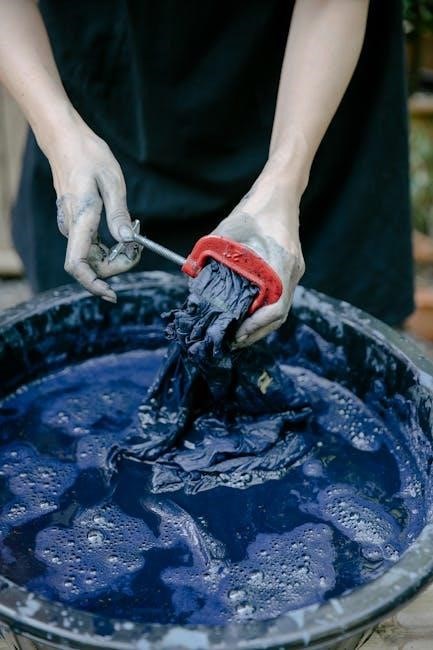
Think of the first few washes as a “dye-release” period. Treat your newly tie-dyed items as if they are actively shedding color. Ignoring this principle can lead to frustrating and costly mistakes. Protect your entire wardrobe by dedicating a few washes solely to your tie-dye creations, ensuring their colors remain bold and beautiful without compromising other fabrics.

Initial Rinse: Removing Excess Dye
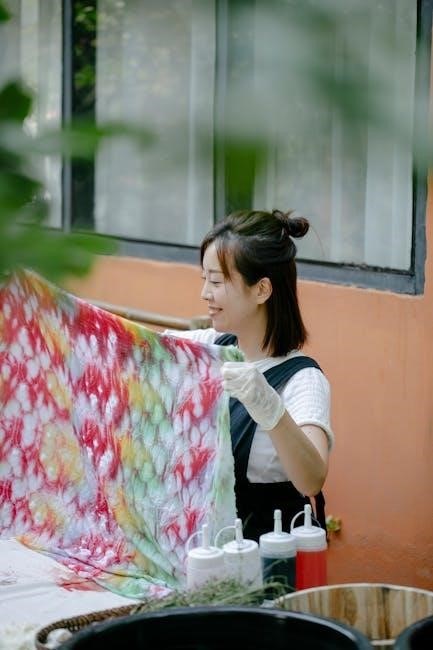
Before your tie-dye garment even sees the washing machine, a thorough initial rinse is paramount. This crucial step removes a significant amount of unbound dye, minimizing the risk of color bleeding in subsequent washes. Fill a sink or tub with cool water and gently agitate the tie-dye item; Continue rinsing until the water runs relatively clear – this may take several cycles.
Don’t be alarmed by the amount of dye released during this process; it’s perfectly normal! This initial rinse isn’t about cleaning the fabric, but rather about physically removing the loose dye particles. Avoid using soap or detergent at this stage, as it can actually help set any remaining unbound dye.
Gentle handling is key. Avoid vigorous scrubbing or wringing, which could distort the design. Patience is rewarded – a comprehensive initial rinse dramatically improves the longevity and vibrancy of your tie-dye.
First Wash: The Most Important Wash
The very first wash is arguably the most critical step in preserving your tie-dye’s vibrancy. Treat this wash with extra care, as it determines how much dye will be released in future laundering. Machine wash the item alone in cold water on a gentle cycle. This isolation prevents color transfer to other garments, safeguarding your entire wardrobe.
Utilize a mild, pH-neutral detergent – harsh chemicals can strip the dye. Avoid bleach or fabric softeners, as these can also contribute to fading and color bleeding. Consider adding a color catcher sheet to the wash; these sheets are designed to absorb loose dye particles, providing an extra layer of protection.
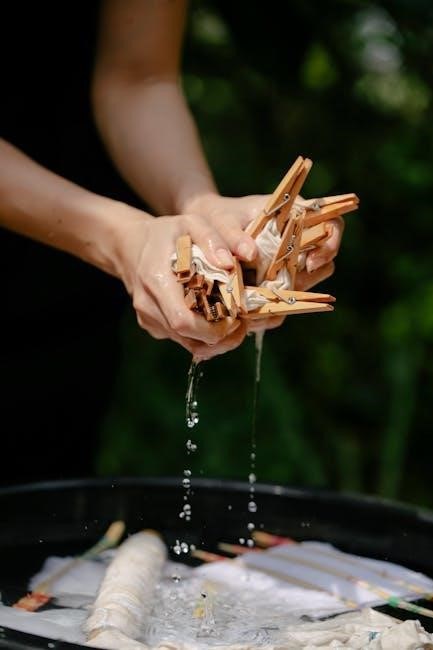
Resist the urge to wash with similar colors, even if they seem safe. The initial dye release can be substantial, and it’s better to err on the side of caution. A dedicated first wash is a small investment for long-lasting, brilliant tie-dye!
Detergent Choice for Tie Dye
Selecting the right detergent is paramount for maintaining the vibrancy of your tie-dye creations. Avoid detergents containing bleach, optical brighteners, or enzymes, as these can actively break down the dye molecules, leading to fading and color loss. Harsh chemicals are simply detrimental to the longevity of your colorful designs.
Instead, opt for a mild, pH-neutral liquid detergent specifically designed for delicate fabrics or colors. These formulations are gentle on fibers and less likely to strip the dye. Powder detergents can sometimes leave residue, potentially affecting color clarity, so liquids are generally preferred.
Consider detergents marketed for dark or bright colors, as they often contain ingredients that help lock in dye. Always read the label carefully to ensure the detergent is free of harmful additives. A gentle approach to cleaning is key to preserving the artistry of your tie-dye!
Water Temperature: Cold vs. Warm
Water temperature plays a critical role in preventing color bleeding during the washing process. The golden rule for tie-dye is to always wash in cold water, especially for the first few washes. Hot or even warm water aggressively opens the fabric fibers, releasing excess dye and causing colors to run and blend.
Cold water minimizes dye release, keeping your vibrant designs intact. While tempting to use warmer water for a deeper clean, the risk of color transfer far outweighs the benefits. Even after initial dye setting, cold water continues to protect your investment.
As your tie-dye garments undergo more washes, and color bleeding significantly decreases, you might cautiously transition to lukewarm water. However, consistently prioritizing cold water is the safest and most effective method for preserving the brilliance and separation of colors in your tie-dye wardrobe.
Washing Machine Settings: Gentle Cycle
Selecting the appropriate washing machine cycle is paramount for preserving your tie-dye’s vibrancy. A gentle or delicate cycle is non-negotiable, particularly during the initial washes. This cycle utilizes slower agitation speeds, minimizing friction and reducing the likelihood of dye release and color bleeding.
Avoid using harsh or vigorous cycles like “normal” or “heavy duty,” as these can aggressively agitate the fabric, causing colors to mix and fade prematurely. The gentler the cycle, the better protected your tie-dye investment will be.
Furthermore, consider utilizing a shorter wash time. Prolonged washing, even on a gentle cycle, increases the opportunity for dye to leach. A quick, gentle wash is the ideal approach. Always double-check your machine settings before starting, ensuring a delicate cycle is selected to safeguard your colorful creations.
Using Color Catchers
Color catchers are invaluable allies in the tie-dye washing process, acting as a safety net against unwanted dye transfer. These sheets, readily available in most laundry aisles, attract loose dyes circulating in the wash water, preventing them from re-depositing onto other garments – or even back onto your tie-dye itself!
For the first few washes, especially, generously incorporate color catchers into each load. Don’t rely on just one; using multiple sheets provides enhanced protection. Even if you’re washing your tie-dye items separately, color catchers offer peace of mind.
Observe the color catchers after each wash. If they’ve absorbed a significant amount of dye, it’s a clear indication that your tie-dye is still releasing color, and continued use of color catchers is crucial. They are a simple, cost-effective way to maintain the integrity of your vibrant designs.
Drying Methods: Air Dry vs. Machine Dry
The drying stage is just as critical as washing when preserving your tie-dye’s vibrancy; While the convenience of a machine dryer is tempting, air drying is overwhelmingly recommended, particularly for the initial washes. Direct sunlight can cause fading, so opt for a shaded area, either indoors or outdoors.
Air drying allows the remaining loose dye to dissipate gradually, minimizing the risk of color transfer in subsequent washes. Lay the tie-dye flat on a clean surface or hang it on a plastic hanger – avoid metal hangers, as they can potentially cause rust stains.
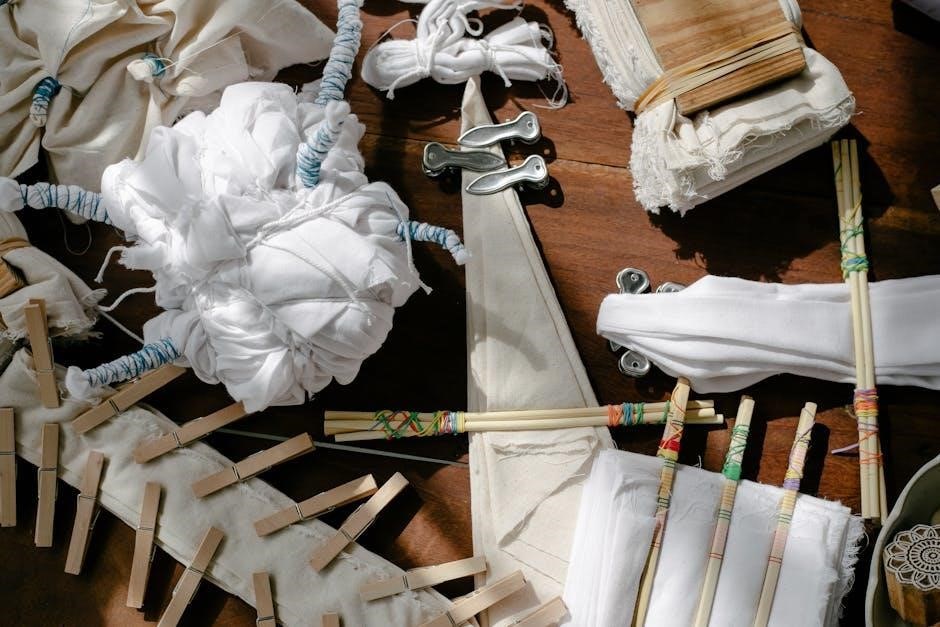
If you must use a machine dryer, select the lowest heat setting and consider adding dryer sheets designed to capture loose dyes. However, be aware that even low heat can contribute to fading and color bleeding. Prioritize air drying whenever possible to safeguard your colorful creations!
Preventing Color Transfer in Subsequent Washes
Maintaining the integrity of your tie-dye’s colors beyond the initial washes requires consistent preventative measures. Even after several washes, some dye may still release, so vigilance is key. Continue washing tie-dye items separately or with similar colors – think shades within the same family, like blues and greens.
Employing color catcher sheets in every wash cycle is a highly effective strategy. These sheets attract loose dyes, preventing them from redepositing onto other garments. Don’t underestimate their power, even for seemingly “set” tie-dye!
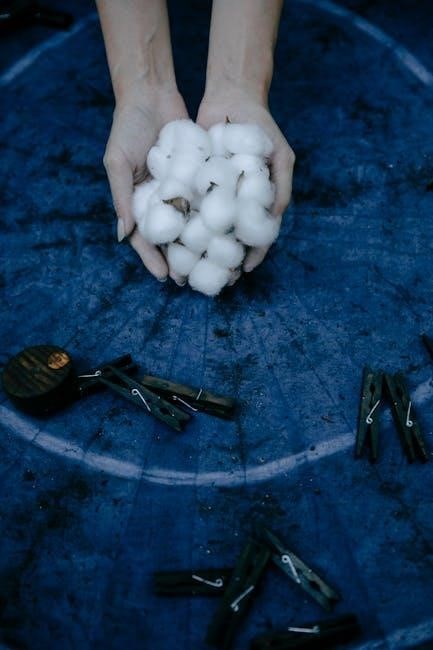
Turn garments inside out before washing to minimize abrasion and fading. A gentle cycle with cold water remains the safest bet. Regularly inspect your tie-dye for any signs of continued bleeding and adjust your washing routine accordingly. Consistent care ensures long-lasting vibrancy!
Washing with Similar Colors
Once your tie-dye has undergone several initial washes and the majority of excess dye is removed, you can cautiously begin washing with similar colors. However, “similar” is the operative word! Group items by color family – blues with greens, reds with oranges, and so on. Avoid mixing light and dark shades initially, as dye transfer is still possible.
Even within a color family, observe carefully. A pale blue tie-dye might still bleed onto a lighter green, so test first if unsure. Always use cold water and a gentle cycle. Continue incorporating color catcher sheets into these washes as an added precaution.
Remember, every tie-dye is unique. The amount of dye used and the fabric type influence bleeding potential. Prioritize caution and monitor for any color transfer. If in doubt, continue washing separately!
Dealing with Faded Colors
Some fading is inevitable with tie-dye, even with diligent washing practices. It’s a natural characteristic of the dyeing process, especially with certain dyes and fabrics. Don’t panic! A slight fade doesn’t mean your garment is ruined; it often contributes to a vintage, lived-in look.
To minimize fading, continue using cold water, gentle detergents, and avoid prolonged sun exposure during drying. Consider using a color-reviving laundry detergent specifically designed for vibrant colors. These often contain ingredients that help re-deposit color onto the fabric.
If significant fading occurs, explore re-dyeing options. You can carefully touch up faded areas with similar dye colors. Remember to test the dye on an inconspicuous area first. Accepting a degree of color change is part of the tie-dye experience, embracing the unique evolution of each piece!
Tie Dye Fabric Types & Wash Considerations
Different fabrics react differently to tie-dye and washing. Cotton is the most common and generally easiest to work with, holding dye well and tolerating frequent washing. However, even within cotton, variations like jersey or flannel require slightly adjusted care.
Synthetic fabrics like polyester are more challenging to dye and may require specialized dyes. They also tend to fade faster and are more susceptible to damage from heat. Rayon and linen, while beautiful, are delicate and need extra gentle handling during washing.
Always check the garment’s care label before tie-dyeing and washing. Pre-washing fabrics removes sizing and ensures better dye absorption. For delicate fabrics, hand washing is always the safest option. Adjust your washing routine based on the fabric content to preserve the vibrancy and integrity of your tie-dye creations!
Printable Wash Instructions Checklist
Keep your tie-dye vibrant with this handy checklist! Download and print this guide for quick reference during laundry day. Step 1: Separate tie-dye from all other laundry – crucial for preventing color transfer; Step 2: Initial cold water rinse to remove excess dye. Step 3: First wash – cold water, gentle cycle, with a color catcher.
Step 4: Use a mild, pH-neutral detergent. Avoid bleach or fabric softeners. Step 5: Subsequent washes – continue separating, using cold water and color catchers for the first few washes. Step 6: Air drying is preferred, but if using a machine, select a low heat setting.
Step 7: Wash with similar colors only after the dye has fully set. This checklist ensures your tie-dye remains a colorful masterpiece for years to come! Find the downloadable PDF link below!
DIY Color Catcher Alternatives
Short on commercial color catchers? Several DIY options can help protect your tie-dye! One effective method involves using plain white vinegar – add one cup to the wash cycle. Vinegar helps set the dye and prevent bleeding. Another alternative is a white towel or washcloth; the towel will absorb loose dye particles during washing.
Ensure the towel is clean and free of dyes itself! For a more robust solution, consider using a few dryer sheets, though their effectiveness varies. Remember to replace the towel or dryer sheets after each wash. These alternatives aren’t as reliable as commercial catchers, so extra caution is advised.
Always test a small, inconspicuous area first! Combining these methods – vinegar and a white towel – can offer increased protection. Prioritize cold water and gentle cycles for optimal results, regardless of the method chosen.
Troubleshooting Common Wash Issues
Experiencing color bleed even after following instructions? The initial washes are the most critical; re-wash the item separately in cold water with a color catcher. If fading occurs, avoid harsh detergents and prolonged sun exposure. Stubborn dye stains on other clothes might require a dedicated stain remover, but test it on an inconspicuous area first.
Graying or dulling of colors often indicates detergent buildup. Try rinsing the tie-dye item twice during the wash cycle. For persistent issues, consider switching to a dye-free, fragrance-free detergent. If colors transfer despite precautions, it’s likely the dye wasn’t fully set, requiring more separate washes.
Remember, some dye bleeding is normal, especially with vibrant colors! Consistent use of color catchers and proper washing techniques will minimize issues over time. Don’t despair – a little extra care can preserve your tie-dye’s brilliance.
Long-Term Care for Vibrant Tie Dye
Preserving your tie-dye’s vibrancy requires consistent, gentle care. Continue washing new tie-dye items separately for the first several washes, even after initial bleeding subsides. Always opt for cold water and a mild, color-safe detergent to minimize fading. Avoid bleach and fabric softeners, as they can break down the dye molecules.
When storing tie-dye garments, shield them from direct sunlight. Prolonged exposure can cause colors to fade and weaken the fabric. Turn items inside out before washing and drying to protect the dyed surface. Air drying is always preferable, but if using a machine, select a low heat setting.
Regularly inspect your tie-dye for any signs of wear or fading. Addressing issues early can prevent further damage. With proper care, your colorful creations will remain vibrant for years to come, showcasing your unique style!
Resources for Tie Dye Information
Expand your tie-dye knowledge with these helpful resources! Dharma Trading Co. (dharmatrading.com) offers extensive guides on dyes, fabrics, and techniques, including detailed washing instructions tailored to different dye types. They are a premier supplier for all things tie-dye related.
For inspiration and community, explore tie-dye groups on social media platforms like Instagram and Pinterest. Search hashtags like #tiedye, #tiedyetutorial, and #tiedyeinspiration to discover new patterns and care tips from fellow enthusiasts. YouTube channels dedicated to crafting often feature tie-dye tutorials and washing advice.
Ashley Abramson’s work, featured in publications like the Washington Post and New York Times, often touches upon creative hobbies and mindful living, offering a broader perspective on enjoying handmade items. Remember to always prioritize gentle care to maintain the vibrancy of your tie-dye creations!