Char-Broil Smoker User Guide: A Comprehensive Overview (Updated 01/01/2026)
Welcome! This guide provides detailed instructions for your Char-Broil smoker‚ ensuring delicious results. From setup to recipes‚ enjoy outdoor cooking this summer!
Understanding Your Char-Broil Smoker Model
Identifying your specific Char-Broil smoker model is crucial for optimal performance. Different models feature varying capabilities‚ from digital temperature controls to adjustable ventilation systems. Refer to your smoker’s serial number and the included documentation to pinpoint its exact specifications.

Understanding these nuances allows for tailored fuel selection – charcoal‚ wood chips‚ or pellets – and precise temperature management. Knowing your model’s capacity also informs cooking times and the quantity of food you can smoke simultaneously. Familiarize yourself with all features for a superior smoking experience.
Unboxing and Initial Setup
Carefully unpack your Char-Broil smoker‚ verifying all components are present using the parts list in the manual. Inspect for any shipping damage before proceeding. Assemble the smoker on a level‚ stable surface‚ away from flammable materials.
Proper assembly is vital for safe and efficient operation. Tighten all screws and bolts securely. Before the first use‚ thoroughly clean the interior with warm‚ soapy water‚ rinsing completely. This removes any manufacturing residues. Ensure adequate ventilation during setup and initial burn-off.
Essential Parts Identification
Familiarize yourself with your Char-Broil smoker’s key components. These include the lid‚ cooking grates‚ water pan (for moisture)‚ grease management system‚ and the firebox or burner assembly. Locate the temperature gauge and ventilation dampers – crucial for controlling smoke and heat.

Understand the function of each part to optimize your smoking experience. The smoker box houses the fuel source‚ while the grease management system prevents flare-ups. Refer to your model’s diagram for precise locations and names of all parts.
Smoker Box and Grease Management System
The smoker box is where wood chips‚ pellets‚ or charcoal reside‚ generating the essential smoke for flavoring your food. Ensure proper airflow to maintain consistent smoke production. The grease management system is vital for preventing flare-ups and simplifying cleanup.
Regularly empty the grease tray to avoid fires and maintain optimal smoker performance. A clean grease system contributes to better flavor and a safer cooking experience. Inspect and clean both components after each use for longevity.
Temperature Control and Ventilation
Precise temperature control is crucial for successful smoking. Utilize the smoker’s ventilation system – adjustable dampers – to regulate airflow and‚ consequently‚ temperature. More airflow equals higher temperatures‚ while less airflow lowers them.
Monitor the built-in temperature gauge frequently and make small adjustments to the vents as needed. Proper ventilation also expels excess smoke‚ preventing a bitter taste. Experiment to find the sweet spot for your desired smoking temperature and meat type.
Fuel Source Options (Charcoal‚ Wood Chips‚ Pellets)
Char-Broil smokers offer versatility in fuel sources. Traditional charcoal provides intense heat and a classic smoky flavor. Wood chips‚ soaked beforehand‚ impart specific wood aromas like hickory or mesquite. For convenience‚ consider wood pellets – offering consistent temperature and smoke.
Each fuel type requires different techniques for loading and maintaining. Charcoal needs arranging for airflow‚ wood chips require replenishment‚ and pellets utilize an auger system. Choose the fuel that best suits your preferences and smoking style.
Preparing Your Smoker for First Use
Before your inaugural smoke‚ thorough preparation is crucial. Begin by inspecting all components for shipping damage. Wash the smoker box and grates with warm‚ soapy water‚ then rinse and dry completely. A light coating of cooking oil on the grates prevents sticking.
Perform a “burn-in” to eliminate manufacturing residues. Light a small fire and run the smoker at a moderate temperature for about two hours. This process seasons the smoker and prepares it for optimal performance and flavor.
Fueling Your Char-Broil Smoker
Selecting the right fuel is paramount for achieving desired smoke flavor. Charcoal briquettes offer consistent heat‚ while lump charcoal burns hotter and cleaner. Wood chunks or chips (hickory‚ mesquite‚ applewood) impart unique flavors.
When loading‚ create a fuel bed ensuring adequate airflow. For charcoal‚ arrange in a pyramid. For wood‚ distribute evenly. Avoid overfilling; maintain space for oxygen circulation. Remember‚ proper fuel arrangement directly impacts temperature control and smoke production.
Choosing the Right Charcoal/Wood

Charcoal selection impacts flavor and burn time. Briquettes are uniform‚ providing consistent‚ longer burns – ideal for extended smoking sessions. Lump charcoal‚ made from whole wood‚ burns hotter and faster‚ offering a more natural wood flavor.
For wood‚ consider the meat. Hickory pairs well with pork and beef‚ mesquite with bolder flavors‚ and fruitwoods (apple‚ cherry) with poultry and fish. Ensure wood is seasoned and dry for optimal smoke production and avoid unwanted flavors.

Loading and Arranging Fuel
Proper fuel arrangement is crucial for temperature control. For charcoal‚ use the minion method – arranging unlit charcoal around the perimeter with a small starter pile; This provides a slow‚ even burn. Alternatively‚ create a two-zone fire with a concentrated heat source on one side.
When using wood‚ soak wood chips for 30 minutes before adding them to the coals. Place wood chunks directly on the hot coals for sustained smoke. Avoid overloading; maintain airflow for efficient combustion.
Temperature Control Techniques
Mastering temperature is key to successful smoking. Utilize both direct and indirect heat – direct for searing‚ indirect for slow cooking. Adjust vents to regulate airflow; more air equals higher temperatures. Monitor the temperature gauge closely‚ understanding its placement affects readings.
Experiment with fuel amounts and arrangement. Smaller fires yield lower temperatures‚ while larger fires provide more heat. Consistent monitoring and small adjustments are vital for maintaining a stable smoking environment throughout the cook.
Direct vs. Indirect Heat
Direct heat involves placing food directly over the heat source‚ ideal for searing steaks or quickly cooking smaller items. It’s a fast‚ high-temperature method. Indirect heat‚ however‚ positions food away from the direct flames‚ utilizing circulated heat for slow cooking and smoking.
Char-Broil smokers excel at indirect cooking. Arrange charcoal or wood to one side‚ creating a cool zone for the food. This prevents burning and allows smoke to permeate the meat‚ resulting in tender‚ flavorful results. Mastering both techniques expands your cooking versatility.
Using the Temperature Gauge Effectively
Accurate temperature control is crucial for successful smoking. Your Char-Broil smoker’s temperature gauge provides a visual reading‚ but remember it measures air temperature near the vent‚ not directly at the meat.
For precise results‚ use a separate meat thermometer inserted into the thickest part of the food. Allow time for the gauge to stabilize after adjustments. Consistent monitoring and small adjustments to vents are key. Understanding this difference ensures perfectly cooked‚ safe‚ and flavorful smoked meats every time.
Smoking Times and Temperatures for Different Meats
Achieving optimal flavor and tenderness requires understanding specific meat requirements. Generally‚ lower temperatures (225-250°F) yield the best smoke penetration. Beef benefits from longer smoking times‚ often 8-12+ hours for brisket or ribs. Pork typically requires 6-8 hours‚ while poultry‚ being leaner‚ smokes best at 275-300°F for 3-6 hours;
These are guidelines; internal meat temperature‚ measured with a reliable thermometer‚ is the ultimate indicator of doneness. Always prioritize food safety!
Beef Smoking Guide
For brisket‚ aim for a smoking temperature of 225-250°F (107-121°C) for 8-12+ hours‚ or until the internal temperature reaches 203°F (95°C). Ribs benefit from the 3-2-1 method: 3 hours smoking at 225°F‚ 2 hours wrapped‚ and 1 hour unwrapped with sauce.
Tri-tip smokes beautifully at 250°F for 2-3 hours‚ reaching an internal temperature of 135°F for medium-rare. Remember to rest the beef for at least 30 minutes before slicing against the grain for maximum tenderness.
Pork Smoking Guide
Pork shoulder (pulled pork) thrives at 225-250°F (107-121°C) for 8-12 hours‚ until it reaches an internal temperature of 203°F (95°C) and probes tender. Pork ribs‚ like baby backs‚ are best smoked at 225°F for 5-6 hours.
Pork loin requires a shorter smoke‚ around 3-4 hours at 225°F‚ aiming for an internal temperature of 145°F (63°C). Always rest the pork for 20-30 minutes before slicing or pulling‚ allowing the juices to redistribute for optimal flavor and moisture.
Poultry Smoking Guide
Whole chickens benefit from a smoke at 250-275°F (121-135°C) for 4-6 hours‚ reaching an internal temperature of 165°F (74°C) in the thickest part of the thigh. Turkey‚ whether whole or pieces‚ requires similar temperatures and times‚ but larger birds may need up to 8 hours.
For chicken pieces like breasts or thighs‚ a shorter smoke of 2-3 hours at 250°F is sufficient. Brining poultry beforehand enhances moisture and flavor. Always ensure poultry reaches a safe internal temperature.
Maintaining Consistent Smoke
Consistent smoke is crucial for flavor. Regularly replenish wood chips or pellets‚ ideally every 30-60 minutes‚ depending on your model and desired intensity. A smoke tube or box helps maintain a steady output.
Avoid overfilling‚ which can smother the smoke. Experiment with different wood types – hickory‚ mesquite‚ applewood – to adjust the flavor profile. Monitor smoke color; thin blue smoke is ideal‚ while thick white smoke indicates incomplete combustion and a bitter taste.
Wood Chip/Pellet Management
Wood chips require soaking for 20-30 minutes before use‚ enhancing smoke production‚ though this is debated. Wood pellets‚ designed for pellet smokers‚ offer convenience and consistent burn times. For chip/box smokers‚ add small batches frequently – every 30-45 minutes – to maintain consistent smoke.
Avoid overcrowding the smoker box; allow airflow. Experiment with different wood varieties to discover preferred flavors. Store wood properly in a dry location to prevent mold and ensure optimal performance during your smoking sessions.
Controlling Smoke Flavor Intensity
Smoke flavor is influenced by wood type‚ quantity‚ and airflow. Lighter woods like alder produce mild flavors‚ while hickory and mesquite deliver bolder profiles. Adjusting ventilation impacts smoke density; more air equals less smoke‚ and vice versa.
For subtle smoke‚ use fewer wood chips or pellets and keep vents partially open. A stronger flavor requires more fuel and restricted airflow. Monitor the color of the smoke – a thin‚ blue smoke is ideal‚ while thick‚ white smoke indicates incomplete combustion.
Cleaning and Maintenance
Regular cleaning extends your Char-Broil smoker’s life and ensures optimal performance. After each use‚ remove ash and grease buildup. Periodically wash grates with warm‚ soapy water. Inspect the smoker box and grease management system for obstructions.
Preventative maintenance includes seasoning grates to prevent rusting and checking for loose screws. Store the smoker covered in a dry location. Avoid abrasive cleaners that can damage surfaces. A well-maintained smoker delivers consistent results for years!
Regular Cleaning Procedures
Post-cook cleaning is crucial. Allow the smoker to cool completely before removing ash and accumulated grease. Utilize a scraper for stubborn residue on grates and interior surfaces. Wash removable parts with warm‚ soapy water‚ ensuring thorough rinsing and drying before reassembly.
Inspect the grease management system frequently‚ emptying and cleaning it after each use. A clean smoker prevents flare-ups and maintains optimal flavor. Avoid harsh chemicals; gentle cleaning is best!

Preventative Maintenance Tips
Regular inspection of your Char-Broil smoker extends its lifespan. Check for rust‚ especially on exterior surfaces‚ and treat promptly with high-heat paint. Ensure proper ventilation isn’t obstructed by debris. Lubricate moving parts‚ like hinges and dampers‚ with food-grade silicone spray.
Store the smoker covered when not in use‚ protecting it from the elements. Tighten any loose screws or bolts. Consistent care minimizes repairs and maximizes smoking enjoyment for years to come!
Troubleshooting Common Issues
Temperature fluctuations often stem from inconsistent fuel levels or improper ventilation. Ensure adequate charcoal or wood and adjust dampers for better control. Smoke production problems could indicate wet wood or blocked vents; use seasoned wood and clear obstructions.
If the smoker won’t maintain temperature‚ check the door seal for leaks. For digital models‚ verify the probe is correctly positioned. Consistent monitoring and adjustments are key to resolving common smoking challenges.
Temperature Fluctuations
Inconsistent temperatures are a frequent concern. First‚ verify sufficient fuel – low charcoal levels cause drops. Secondly‚ check the damper settings; opening too much leads to heat loss. External factors like wind significantly impact temperature‚ so position the smoker accordingly.
Ensure a tight door seal to prevent heat escape. For electric models‚ confirm the thermostat is calibrated correctly. Frequent monitoring and small adjustments to fuel and vents are crucial for stability.
Smoke Production Problems
Insufficient smoke often stems from damp wood chips or pellets; Ensure your fuel source is thoroughly dry for optimal combustion. If using charcoal‚ a lack of airflow can smother the smoke; adjust the vents. For electric smokers‚ check the smoker box is properly filled and the wood chip feeder is functioning.
Too much airflow can also dissipate smoke quickly. Experiment with vent settings to find the sweet spot. Regularly clean the smoker to prevent residue buildup that hinders smoke circulation.
Safety Precautions
Always operate your Char-Broil smoker outdoors‚ away from flammable materials. Never leave a lit smoker unattended. Use heat-resistant gloves and tools to avoid burns. Ensure proper ventilation to prevent carbon monoxide poisoning. Keep children and pets a safe distance from the hot smoker.
Dispose of ashes carefully in a metal container with a lid. Never use gasoline or other flammable liquids to start or rekindle the fire. Regularly inspect the smoker for damage before each use‚ and disconnect the power source when not in operation.
Recipes to Get You Started
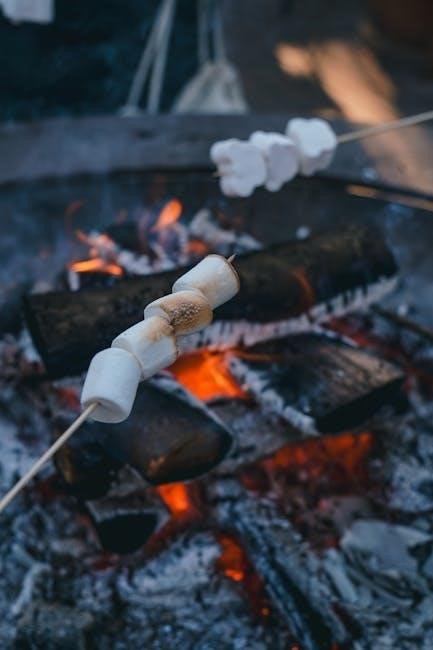
Begin your smoking journey with a classic pulled pork recipe! Rub a pork shoulder with paprika‚ garlic powder‚ and brown sugar. Smoke at 225°F (107°C) for 8-10 hours‚ or until tender. For a flavorful chicken‚ brine overnight then smoke at 250°F (121°C) for 2-3 hours.
Experiment with beef brisket‚ using a similar rub and smoking for 12-14 hours. Don’t forget to rest the meat after smoking for optimal juiciness! Enjoy these recipes and explore endless possibilities.
Warranty Information
Char-Broil stands behind its products with a limited warranty. The duration varies by component; typically‚ the smoker body has a longer warranty period than parts like burners or igniters. Please retain your proof of purchase for warranty claims.
Warranty coverage includes defects in materials and workmanship. It does not cover damage from misuse‚ accidents‚ or normal wear and tear. For specific warranty details and claim procedures‚ visit the Char-Broil website or contact customer service.
Resources and Support
Need help? Char-Broil offers extensive resources for smoker owners. Their official website (Char-Broil Website and Customer Service) provides FAQs‚ manuals‚ and troubleshooting guides. You can also contact their customer service team directly for personalized assistance;
Beyond the official channels‚ numerous online forums and communities (Online Forums and Communities) are dedicated to Char-Broil smokers. These platforms allow you to connect with fellow enthusiasts‚ share tips‚ and find solutions to common issues.

Char-Broil Website and Customer Service

Direct Support: The official Char-Broil website is your primary resource for support. Find detailed product manuals‚ frequently asked questions‚ and helpful troubleshooting guides specific to your smoker model. Registration options are available for warranty information and exclusive offers.
Contact Options: For personalized assistance‚ Char-Broil provides customer service via phone and email. Expect prompt responses to inquiries regarding parts‚ operation‚ or any issues encountered during your smoking experience. Their dedicated team is ready to help!
Online Forums and Communities
Connect & Learn: Numerous online forums and communities are dedicated to Char-Broil smokers and the art of barbecue. These platforms offer a wealth of knowledge‚ shared experiences‚ and troubleshooting advice from fellow enthusiasts.
Shared Expertise: Engage in discussions‚ ask questions‚ share your recipes‚ and learn from seasoned smokers. Discover innovative techniques‚ modifications‚ and solutions to common challenges. These communities foster a collaborative spirit‚ enhancing your smoking journey!